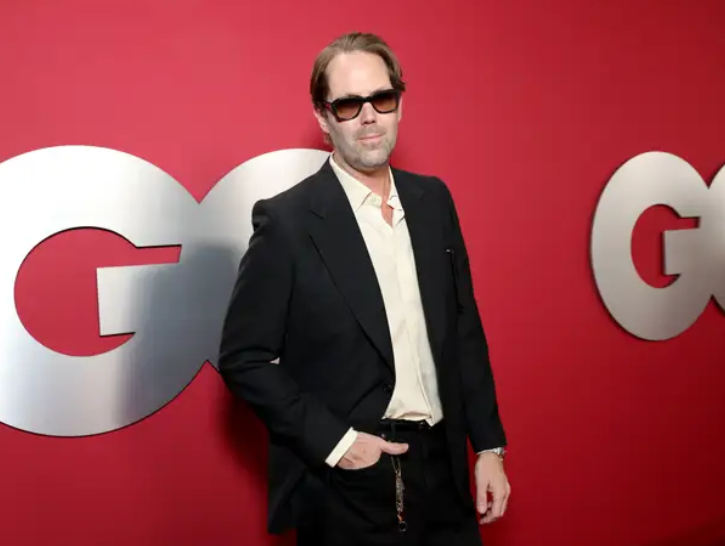
In one of the most significant recent personnel shifts in the tech world, Apple’s head of human interface design — Alan Dye — is leaving after nearly two decades to join Meta Platforms as its new Chief Design Officer. His departure marks the end of an era for Apple’s UI team and could herald a major shift in the design direction at both companies.
From “Liquid Glass” to Meta Reality Labs
Alan Dye wasn’t just any designer — he was behind some of Apple’s most visually defining and controversial design decisions:
- He led the introduction of the “Liquid Glass” user-interface aesthetic that rolled out with the latest updates to iOS, macOS, and other Apple platforms.
- Over his 19-year tenure at Apple (he joined in 2006), he played a central role in shaping the UI for iPhone, iPad, Apple Watch, visionOS (for Vision Pro), and other Apple ecosystems.
- Many of the sweeping design transitions — from the flat-UI overhaul of iOS 7 to newer shifts like “Dynamic Island,” and the spatial interfaces for Vision Pro — bore Dye’s influence.
Now, Dye is expected to bring this broad design pedigree to Meta’s hardware and software initiatives — especially in the rapidly expanding realm of AI-powered devices, such as smart glasses, VR/AR headsets, and other spatial computing hardware.
Specifically, at Meta he will lead a newly created design studio tasked with unifying hardware, software, and AI interfaces, and report directly to Meta’s CTO. The hope there seems to be to give Meta’s consumer devices the kind of cohesive design language that once defined Apple’s ecosystem.
What This Means for Apple — And For Meta
🫲 Loss of a Design Pillar at Apple
For Apple, Dye’s exit symbolizes the loss of a design leader who helped steer the company’s visual identity across multiple product generations.
The company has already named Stephen Lemay — a veteran Apple designer with decades-long tenure — as Dye’s successor.
As Apple continues to explore spatial computing and AI features, Lemay’s ability to uphold (or reinvent) the company’s design heritage will be under scrutiny.
🤝 A Strategic Gain for Meta
For Meta, hiring Dye is a clear sign of intent: the company is doubling down on building a refined ecosystem of AI-enabled hardware and immersive devices.
Dye’s history of unifying software and hardware design could help Meta deliver devices and interfaces that feel more polished and integrated — potentially enabling it to better challenge Apple’s dominance in design-driven consumer hardware.
The Design Debate — Mixed Reactions to “Liquid Glass”
Dye’s design legacy has always been a bit divisive. As many have lauded Apple’s aesthetic evolution under him — from flat-UI minimalism to slick, translucent interfaces across devices — others criticized some of his choices as prioritizing style over usability.
The “Liquid Glass” style in particular generated mixed responses: while visually striking, some users and designers argued it made interfaces harder to read and reduced clarity, especially on smaller screens.
In that sense, Dye’s exit might present Apple with an opportunity — a chance to rethink or refine its UI philosophy, possibly placing renewed emphasis on usability. Conversely, for Meta it could mean a bold pivot — translating Apple-style polish into the world of AI, VR, and AR hardware.
Bigger Picture: Talent War in Tech
Dye’s departure isn’t in isolation. It’s part of a broader pattern: tech giants are aggressively recruiting design and AI talent to stay ahead in the race toward immersive, intelligence-driven devices.
The move underscores how crucial “design” now is for hardware — not just industrial design, but the software experience, spatial interactions, and AI integration. In short: in the future of computing, design + AI might matter as much as hardware specs.
About the Author