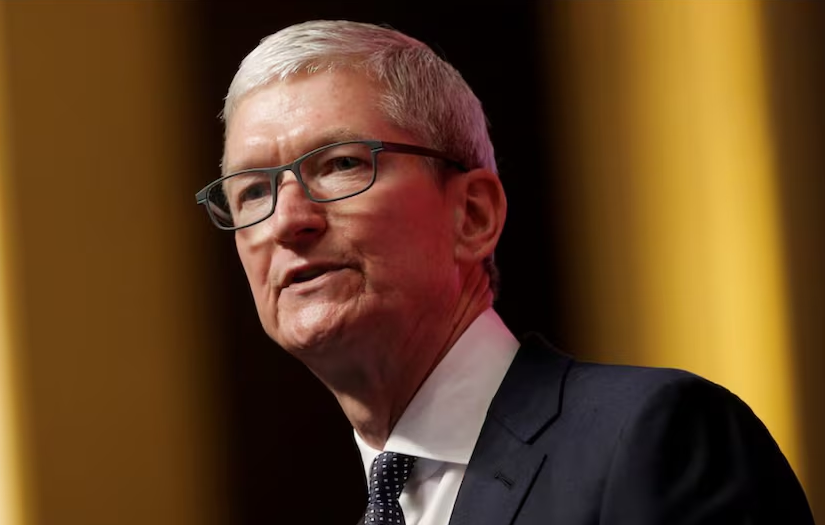
In what many are calling a carefully orchestrated shift, Tim Cook is reportedly preparing to step down as Apple’s Chief Executive Officer as early as 2026. According to sources cited by the Financial Times and discussed by multiple media outlets, Apple’s board and senior management have already accelerated their succession planning. This comes not as a reaction to a downturn, but as part of a deliberate long-term strategy.
Timing Matters: Why 2026 and Why After January
The expected timing of the CEO change is significant. Reports suggest that Apple is unlikely to announce a new CEO before its earnings report in late January, which covers the crucial holiday sales quarter. By waiting until after that report, the company could give the incoming leader time to settle in ahead of major milestones: the Worldwide Developers Conference in June and a likely iPhone 18 launch in September.
Sources also point out that this transition is not being rushed in response to current business performance, but rather planned during a period of strength.
The Leading Candidate: John Ternus
At the center of the succession speculation is John Ternus, Apple’s Senior Vice President of Hardware Engineering. Ternus, who has been with Apple since 2001, has taken on increasing visibility in recent years, overseeing critical hardware lines including iPhone, iPad, Mac, and Apple Silicon. His background as a technologist aligns with what many insiders believe the board wants for the future — someone who understands engineering deeply and can steer Apple through its next phase of innovation. At around 50 years old, Ternus offers both continuity and the promise of a long runway as CEO.
Those familiar with Apple’s internal discussions emphasize that this is not a hasty change born of urgency. Rather, the move reflects a mature approach to leadership transition. The board has reportedly “recently intensified” its preparations, but no final decision has yet been made. Cook himself is said to prefer an internal successor — a who-he-knows decision rather than an external gamble.
What This Means for Apple’s Future
If Ternus does take over in 2026, Apple seems poised to shift from Cook’s operations-centric leadership toward a more engineering-driven era. With his deep hardware experience and understanding of Apple’s product ecosystem, Ternus could push the company more aggressively on innovation, especially in domains like artificial intelligence, device design, and perhaps even new product categories.
Though Ternus is well regarded inside Apple, he will face a formidable legacy in Cook. Tim Cook has overseen tremendous growth in market value, guiding Apple through its expansion into wearables, services, and Apple Silicon. The next CEO will also need to navigate external pressures: increasing competition in AI, regulatory scrutiny, and the constant demand for breakthrough products. Making that transition smoothly — both culturally and strategically — will be among Ternus’s biggest tasks.
About the Author